
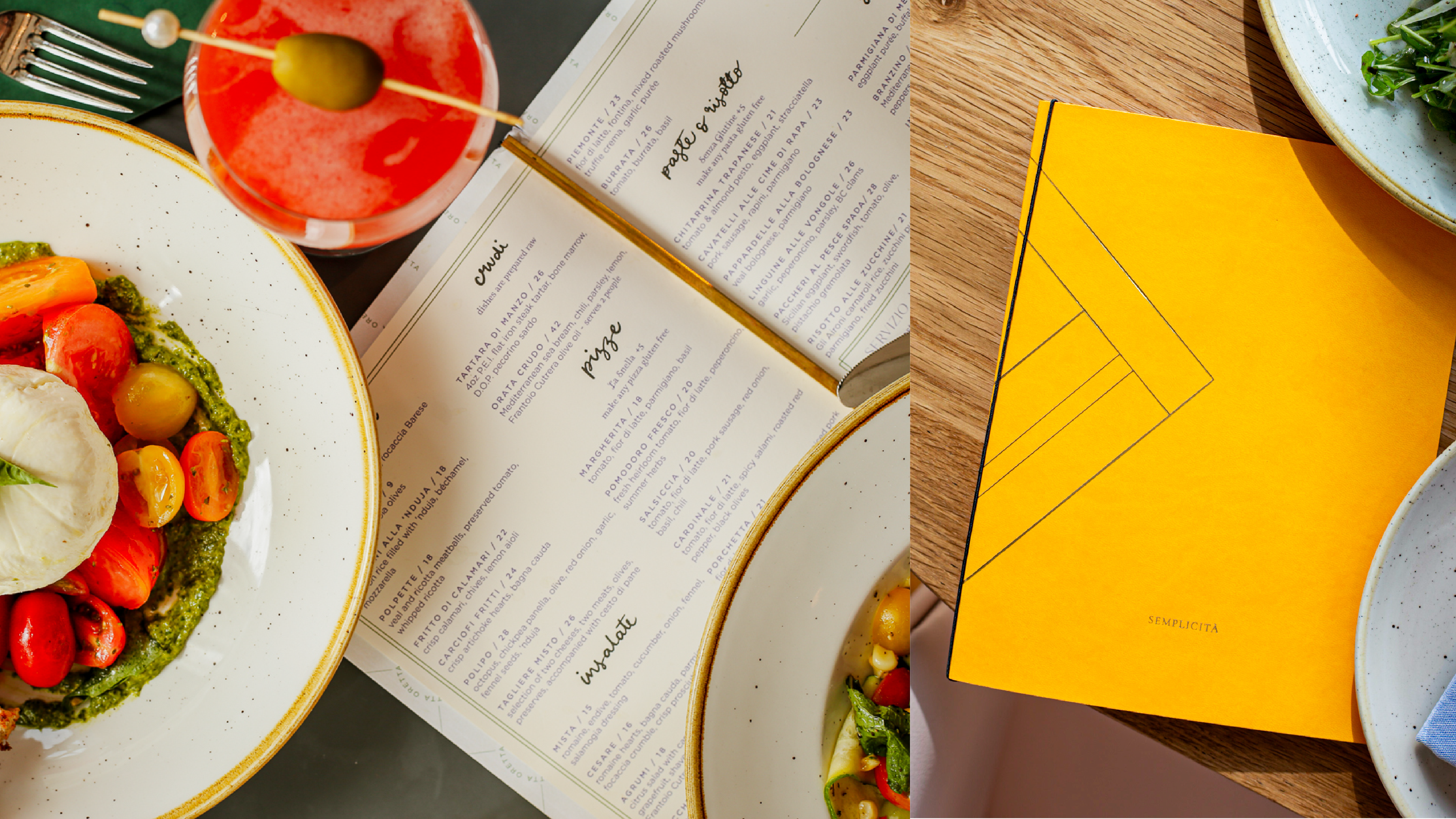
In hospitality, guests don’t just buy food, drinks, or a night’s stay—they buy experiences. That’s why first impressions matter more here than in almost any other industry. From the moment someone discovers your brand online to the second they walk through your doors, every detail counts.
Branding in hospitality is more than a logo or a color palette—it’s the emotional connection you create with your guests. Unlike retail or tech, hospitality branding is sensory and experiential. It’s the taste of the menu, the glow of the lighting, the feel of the interiors, and even the friendliness of the staff. Together, these touchpoints shape how your brand is remembered.
The Power of Visual Identity
Your logo, typography, and color palette are the anchors of your brand identity. In hospitality, they set the tone for the experience before your guests even arrive.
- A luxury hotel might use clean typography, muted tones, and a minimalist logo to signal sophistication.
- A playful café could lean into hand-lettered fonts, bright colors, and bold graphics to communicate energy and warmth.
💡 Tip: Keep your visual identity consistent across menus, signage, social media, and interiors. This builds trust and makes your brand instantly recognizable.
Menus: The Hidden Sales Tool
A menu isn’t just a list of dishes—it’s a design opportunity that impacts both perception and sales.
- Don’t: Overwhelm guests with cluttered layouts, hard-to-read fonts, or too many options.
- Do: Guide the eye with hierarchy, highlight signature items, and use photography or illustrations sparingly to enhance appeal.
A well-designed menu creates clarity, improves the dining experience, and subtly drives guests to choose your most profitable items.
Interiors That Tell a Story
Your physical space is one of the most powerful storytelling tools in hospitality branding. Guests don’t just eat or stay—they feel.
- Lighting sets mood.
- Furniture communicates personality.
- Music enhances atmosphere.
Every design choice should align with your brand story. For example, a rustic Italian trattoria might feature natural textures, warm colors, and communal seating to encourage connection.
💡 Tip: Think of your interiors as a stage where your brand story comes to life.
Staff as Brand Ambassadors
In hospitality, your staff uniforms and demeanor are an extension of your brand. Guests will notice if the look and tone don’t match the promise of your brand identity.
- A fine-dining restaurant might use elegant uniforms to reinforce sophistication.
- A casual brunch spot could lean into relaxed, stylish attire that communicates warmth and approachability.
When staff embody the brand through both appearance and service, the guest experience feels authentic and memorable.
Why Hospitality Branding is Different
Unlike other industries, hospitality branding isn’t static—it’s sensory and experiential. Guests don’t just see your brand; they taste it, touch it, hear it, and live it. This multi-sensory dimension makes branding in hospitality both more challenging and more rewarding.
The goal isn’t just recognition—it’s immersion. A strong brand ensures that every detail, from your logo to your latte art, feels connected and purposeful.
In hospitality, first impressions are lasting impressions. A cohesive brand identity—spanning logos, menus, interiors, and staff—creates the emotional connection that turns first-time visitors into loyal advocates.
At Issi Creative, I help restaurants, cafés, and hotels design brands that don’t just look beautiful but feel unforgettable.
✨ If you’re ready to transform your hospitality brand into an experience guests can’t stop talking about, let’s connect.